
How to prepare a trek: A guide for a successful experience
Hiking in the mountains is an exciting and rewarding activity. But how to prepare a trek for a successful experience? In this article, we will try to answer this question by addressing physical preparation, the choice of equipment and many other essential aspects.
Why go on a trek?
A trek, also called trekking, is a hike of several days or even weeks, which generally takes place in the mountains or in wild areas. It allows you to explore often inaccessible territories and to live an immersive experience in nature. But why embark on a trek? Here are some good reasons that could convince you to seduce.
Discover spectacular natural landscapes
A trek is a unique opportunity to discover breathtaking panoramas and marvel at the spectacular natural landscapes. Straying from the beaten track, you will have the chance to explore unspoilt, untouched and authentic areas, and enjoy breathtaking views of mountains, valleys, lakes and forests.
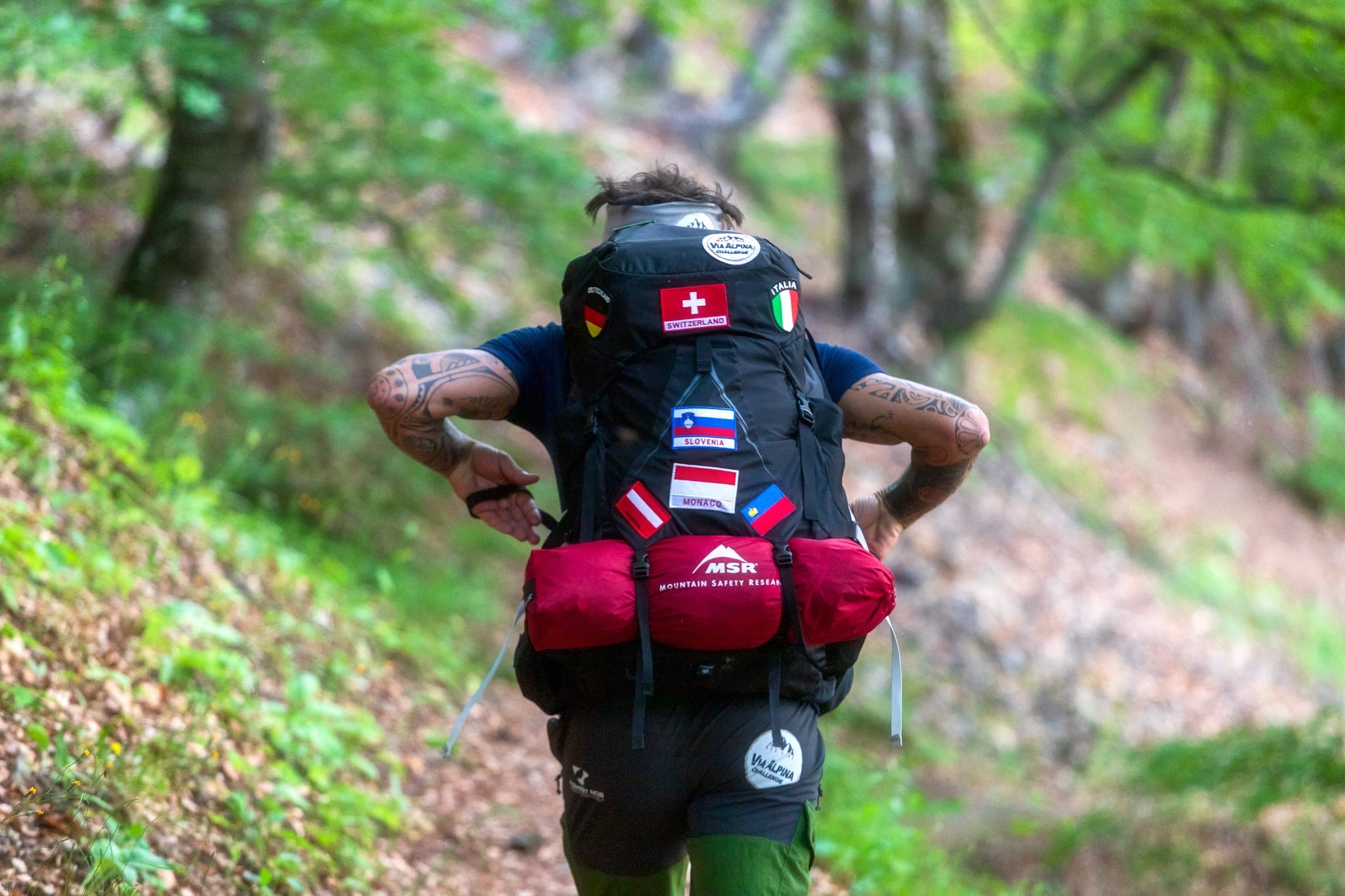
Strengthen one’s links with nature
Trekking allows you to immerse yourself in nature and strengthen your bonds with it. You will become aware of the beauty and fragility of our environment, and learn the importance of respecting it more. In addition, contact with nature has beneficial effects on well-being and mental health, promoting relaxation, reducing stress and escaping from everyday life.
Meet personal challenges
A trek is an adventure that requires perseverance, endurance and a certain amount of courage. By embarking on a trek, you will be able to take up personal challenges and perhaps push your limits, which can be very rewarding and rewarding. The satisfaction of achieving your goals and overcoming obstacles along the way will strengthen your self-confidence. Improve your physical condition Trekking is an intense physical activity that works many muscles and develops your endurance. By training for a trek, you will improve your physical condition, strength and agility. Regular physical activity is good for your overall health and can help reduce the risk of cardiovascular disease, obesity or type 2 diabetes.
Live enriching human experiences
Finally, a trek often offers the opportunity to meet new people and share unforgettable moments with your fellow travelers, whether they are friends, family or new companions met along the way. You will also be able to discover and interact with people who live locally, learning about their culture, traditions and way of life. These enriching human experiences will allow you to keep memories and build strong bonds.
How to properly prepare physically for a trek?
To fully enjoy your trek, a good physical preparation is essential. Here are some tips to train before departure and adapt your program according to your level and the difficulty of the chosen course.
What exercises should be preferred for training?
To prepare effectively, focus on the following exercises:
- Brisk walking or hiking on hilly terrain to strengthen your muscles and improve your endurance. Include walking sessions with a loaded backpack to get used to the weight you will carry during the trek.
- Muscle strengthening exercises, particularly for the legs, back and abs. Consider incorporating squats, lunges and core exercises into your routine.
- Stretching to improve your flexibility and prevent injuries. Practice targeted stretches for the calves, thighs and back regularly.
- Endurance activities, such as cycling, swimming or jogging, to develop your cardiovascular capacity and prepare your body for effort.
How long before the trek do you have to start training?
It is recommended to start training at least two to three months before departure, gradually increasing the intensity and duration of your sessions. Adapt your program according to your starting level and the requirements of the chosen trek. Do not hesitate to consult a professional to establish a personalized training plan.
How to choose the right equipment for a trek?
Which backpack should you choose for a trek?
The choice of backpack is crucial for a successful trek. Opt for a model adapted to the duration and conditions of your hike, with enough capacity to carry all your equipment. A comfortable and well-fitting backpack, with a good carrying system and ergonomic shoulder straps, is essential to avoid back pain and facilitate your progress.
Which clothes and shoes should you choose for a mountain trek?
For a mountain trek, it is important to choose clothing that suits the weather conditions and the type of terrain you will encounter. Here are some tips to equip yourself:
- Choose technical clothing that is breathable and dries quickly, to avoid the feeling of humidity and regulate your body temperature.
- Adopt the three-layer technique: a first layer close to the body to evacuate perspiration, a second insulating layer to retain heat, and a third waterproof and windproof layer to protect you from bad weather.
- Don’t forget a change of clothes, especially socks, to avoid blisters and irritation.
- Think of accessories such as gloves, a hat, a neck warmer and sunglasses to protect you from the cold and UV rays.
As for the shoes, it is essential to choose a pair adapted to the duration and terrain of your trek. Opt for waterproof and comfortable hiking shoes, with good ankle support and a non-slip sole. Do not hesitate to try them in store and wear them several times before departure to "make" them on your feet and avoid inconvenience.
What trekking equipment is essential for hiking?
To go on a well-equipped trek, here is a non-exhaustive list of essential equipment:
- A light and durable tent, adapted to the weather conditions. (optional)
- A sleeping bag and an insulating mattress to guarantee you a restful sleep.
- A stove and kitchen utensils to prepare your meals.
- Food supplies and water, in sufficient quantity for the duration of the trek.
- A first aid kit with essential medicines and first-aid equipment.
- A multifunction knife, a headlamp and walking sticks to facilitate your progress and ensure your safety.
- A hiking GPS, a topographic map and a compass to guide you.
How to organize your trekking bag efficiently?
The organization of your backpack is crucial to ensure your comfort and make your life easier during your trek. Here are some tips to properly prepare your trek bag.
What are the essential items to bring for a multi-day trek?
For a multi-day trek, it is important to bring the following items:
- Clothing adapted to climatic conditions (see previous section)
- Comfortable and suitable hiking shoes
- Tent, sleeping bag, and insulated mattress
- Stove, kitchen utensils, and food
- Water bottle or pouch and water filtration system
- First aid kit and personal medication
- Navigation equipment (map, compass, GPS)
- Headlamp and spare batteries
- Multifunction knife and walking sticks
- Sun protection (sunglasses, sunscreen, hat)
How to distribute the weight in your backpack for better comfort?
To distribute the weight in a balanced way and ensure better comfort during your trek, follow these tips:
- Place heavy and dense objects (tent, food, kitchen equipment) in the center of your back.
- Put clothes and other light objects around heavy objects to stabilize the bag and distribute the load.
- Store frequently needed items (card, camera, water bottle) in the outside pockets for easy access.
- Adjust the compression and stabilization straps to keep the bag close to your body and avoid swinging.
What food should I bring on the trek?
Food is an important aspect of preparing a trek, as it will provide you with the energy needed to cover long distances.
How to choose energy-efficient and easy-to-carry foods?
Opt for high-energy foods that are easy to transport and store:
- Nuts and oilseeds (almonds, walnuts, raisins)
- Energy bars or cereals
- Dehydrated pasta, rice or couscous (light and quick to cook)
- Dried or canned meat (tuna, chicken) Sachets of soups and dried purees
- Dark chocolate for a quick energy intake.
What are the best beginner treks in the world?
For beginners, here are some suggestions of treks that offer beautiful landscapes and well-marked trails:
- Le Tour du Mont Blanc, France/Italy/Switzerland: a 170 km circuit with spectacular views of the Alps.
- La Randonnée des Cinque Terre, Italy: a 40 km coastal route linking five picturesque villages.
- The Inca Trail, Peru: a historic 43 km trek to the famous site of Machu Picchu.
- La Randonnée des Hautes Fagnes, Belgium: a 50 km route through a unique landscape of bogs and forests.
- The Jurassic Coast Trail, England: a 150 km hike along the south-west coast of England, offering views of impressive cliffs and rock formations.
How to adapt your course according to your level and objectives?
To adapt your trek route according to your level and your objectives, take into account the following elements:
- Distance: choose a course adapted to your endurance and the distance you are able to cover each day.
- Elevation: evaluate your ability to manage ascents and descents, and choose a course with an appropriate elevation.
- Terrain difficulty: take into account the type of terrain (rocky, muddy, snowy) and your experience in these conditions.
- Altitude: if you are not used to the altitude, prefer treks below 2,500 meters to avoid the mountain sickness.
- Duration: make sure you have enough time to do your trek without rushing and taking full advantage of the experience.
- Logistical support: for beginners, prefer treks organized by travel agencies or local guides who provide logistical support (accommodation, meals, luggage transport).
Focus on treks in France
France is an ideal country for lovers of treks and hiking, with its varied landscapes and well marked trails.
Why choose France for a trek?
Here are some reasons why France is a destination of choice for treks:
- Diversity of landscapes: from the mountains of the Alps and the Pyrenees to the dense forests of the Massif Central and the Jura, through the wild coasts of Brittany and Normandy, France offers a wide variety of landscapes to explore.
- Network of trails: France has an extensive network of marked hiking trails (GR, PR) that facilitate navigation and ensure a safe experience.
- Accessibility: France is easily accessible from many European countries, whether by plane, train or car.
- Tourist infrastructure: accommodation, restaurants and transport services are generally well developed in tourist regions, which makes it easier to organize your trek.
What are the most popular trekking routes in France?
Some of the most popular trekking routes in France include:
- The GR20 in Corsica: considered one of the most difficult trails in Europe, it crosses Corsica from north to south for 180 km.
- Le Tour du Mont Blanc: although shared between France, Italy and Switzerland, this route of 170 km offers spectacular panoramas on the Alps.
- The GR10 in the Pyrenees: this long-distance hiking trail covers 900 km from east to west, offering breathtaking views of the mountains.
- Le Chemin de Stevenson (GR70): this 272 km trail crosses the Cévennes and follows in the footsteps of writer Robert Louis Stevenson.
What is the difference between a trek and a hike?
The main difference between a trek and a hike lies in their duration and level of difficulty. A trek is generally longer and more demanding than a hike, often involving several days of walking and a significant elevation gain. A hike, on the other hand, is usually shorter and can be done in one day or less.
Conclusion: Prepare and succeed on your trek
Preparing a successful trek involves careful and careful planning with adequate preparation. By following the tips presented in this little guide, you should be able to embark on the adventure with confidence, fully enjoy your experience and recover quickly after the effort. France offers a multitude of exceptional treks to discover, so do not hesitate to explore its varied landscapes and live unforgettable experiences in nature.
Share this content