
How to dress for a hike?
Here is a question we ask ourselves regularly when going hiking: how to dress? And of course, you can’t escape it!
Will I take a third layer, will my coat do the job, I’m afraid of being cold or too hot, will I still be overloaded? In short, here are some tips and elements to take into account when choosing your clothes with care and feeling good in your sneakers during the whole hike (wearing slippers is not recommended).
The 10 things to keep in mind when dressing well for a hike
1- Seasonality
You can hike in any season, but it is important to plan appropriate clothing for each season. It may seem silly, but in winter, and it seems obvious, warm, waterproof and breathable clothes are essential. In summer, light equipment here is also recommended to be breathable. It is necessary to prepare for unpredictable weather changes regardless of the time of year. You also need to protect yourself against the sun, wind, rain, in short, face bad weather. Having a small waterproof jacket with you is always useful. If you’re hesitating between a soft shell jacket or a Gore-Tex type jacket, we’ve written an article about it that could help you!
2- The temperatures felt
The temperatures experienced while hiking depend on many factors. They can vary greatly depending on altitude, weather, and season. In general, temperatures during mountain hikes are cooler than along the coasts or on the plains.
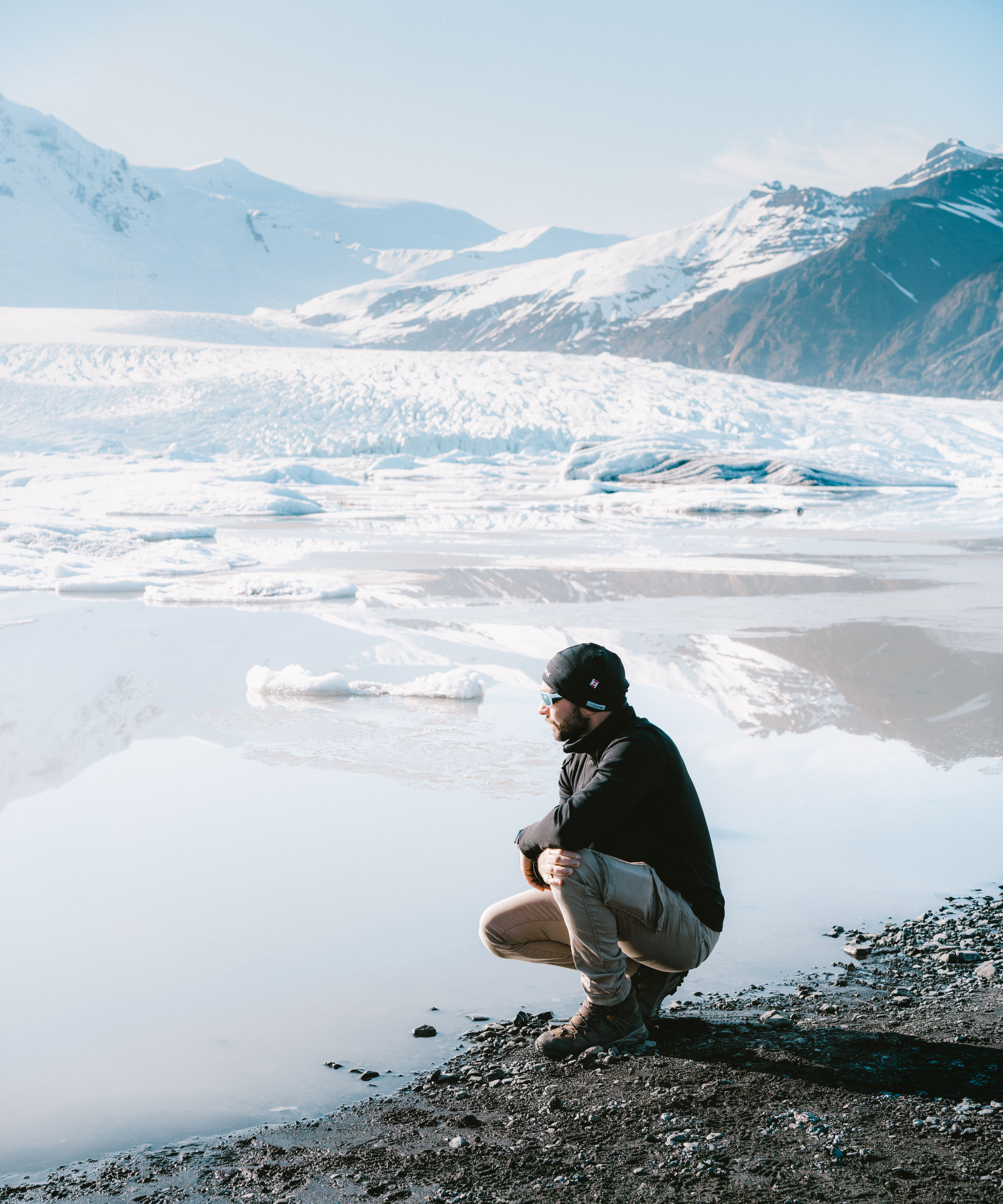
On clear, dry days, temperatures can rise to 25°C during the day and drop to 0°C at night. On cloudy and humid days, they can be lower and drop to -10°C or lower. The temperatures felt are different from those shown, it is important to dress according to the temperature felt rather than the one displayed.
Conclusion: in winter, opt for ColdWinner ® technical textile underwear that will be the insulating thermal base layer adapted to maintain your body heat. On the other hand, in summer, we advise you to put on a breathable fabric and have a Freshwinner ® technical layer for good moisture management and quick drying.
3- The humidity level
The humidity level when hiking depends of course on the weather and the environment. In optimal conditions, an ideal humidity level for a hike is about 40 to 50%. The humidity level can make the air warmer or colder, so it is important to dress accordingly. Conclusion: Use breathable and water-repellent fabrics that will protect you from rain and humidity.
4- The penetration rate of UV
We don’t always think about it, but the penetration rate of UV in mountain areas is generally higher than in coastal regions. The air is drier and the sun more direct. Weather forecasts usually show a higher UV index, because at higher altitudes. Mountains are therefore considered areas at higher risk of ultraviolet radiation.
.jpg)
Conclusion: It is important to protect yourself against UV rays in the mountains or when the sky is gray! Long sleeves, pants and sunscreen are your allies. To protect against UVA and UVB rays, Akammak ® has designed a range of technical clothing made from bamboo fibers. Lightweight polo shirts and T-shirts with a sun protection factor of 40+ that are also designed to wick away perspiration quickly.
5- The altitude
Altitude has a significant impact on the human body. As altitude increases, atmospheric pressure decreases and the amount of oxygen available to the body also decreases. This can lead to altitude symptoms, such as headaches, fatigue, more difficult breathing and sometimes mood changes. More severe symptoms may occur, but at higher altitudes and involve respiratory failure, heart attacks and neurological problems.
Altitude can make the air colder, so you need to dress warmly to maintain your body temperature. Down jacket, fleece and parka are welcome, but you should not neglect the other layers of clothing! A technical garment that fits the body as a first layer will be your first thermal insulation and will allow you to face the coldest.
6- The duration of the hike
It all depends on your level, your fitness, your availability and your desires. If you are a beginner, start with short progressive hikes, increasing the duration and difficulty as you feel more comfortable. The duration of the hike must also be taken into account when dressing and equipping oneself, by providing a change of clothes if necessary, but above all, wearing effective clothing for the duration of the hike. AKAMMAK technical clothing is designed for light to intense efforts over several days. The breathable technology and the evacuation of sweat and odors allow you to wear the garment for several days without feeling discomfort while keeping a fluffy comfort on the skin.
7- The level of difficulty
Course The choice of a hiking trail will also depend on your level and your objectives. You will have to take into account your experience and physical fitness, as well as the duration and difficulty of the course. You can consult specialized sites to find information on the different hiking trails available. You can also ask for advice from professionals or friends who have already hiked. Anticipating remains the key word. During your hike, you will face different terrains depending on the chosen route:
- Flat ground: flat and smooth ground, without obstacles.
- Hilly terrain: terrain with hills and valleys.
- Rough terrain: terrain with obstacles such as rocks, ravines, rivers, etc.
- Mountainous terrain: terrain with high reliefs
These are the elements that must be taken into account when dressing. The shoes must be adapted to the terrain and your clothing must allow you freedom of movement to fully enjoy the experience.
8- Your fitness level
Yes, a truism certainly, but it is important to be in shape for hiking. When you hike, you walk and can carry heavy objects. In addition, the altitude and terrain can be difficult to cross, so a good physical condition is recommended to ensure a positive and safe experience. Practice before you leave, it will be all the more pleasant, and make sure you are in good health and shape. Depending on your level of training, do not overload your bag so that it does not slow you down in your activity. We often take too much equipment.
9- The natural environment
The natural environment must also be considered to avoid the risks of accidents related to plants, animals and climatic conditions. Wearing a long-sleeved t-shirt or technical tights will protect you from insect bites or direct contact with plants on your skin. Without bites, burns, scratches and itching, hiking will be even more enjoyable!
10- The equipment
As an example, here is a "to-do list" of basic items to take with you for a walking or hiking excursion:
- Clothes in several layers, adapted according to the weather.
- Comfortable, robust and water-resistant hiking boots.
- A backpack adapted to your hike and your body type.
- A compass and a topographic map to guide you.
- A gourd is important, and food is not perishable.
- A flashlight with working batteries.
- A lighter or a firelighter and matches.
- A survival blanket (lightweight, not bulky).
- A first-aid kit with a basic pharmacy.
- A mobile phone and an emergency signal. G
- loves or under-gloves, neck warmers, bonnet and warm socks in winter.
- Hat, sunglasses and sunscreen in summer.
One last recommendation more than advice...
When hiking, it is important to respect the environment around you to protect it and ensure that it is preserved for future generations and for the trekkers who will pass soon.
Whether we practice hiking, trail running, trekking or just a health walk, there are some tips that seem important to us to preserve the fauna and flora:
- Avoid paths that are too busy. Try to find more wild trails to reduce the impact of too many walkers in one place.
- Take bags for your waste and pick up those you might find on the way, the planet thanks you for it.
- Stay on the trails. Avoid straying too far from the marked trail and walking in nature, as this can impact plants and animals
- And above all, enjoy the beauty and moments of discovery.
Share this content